
Artist Bio
Visual Artist
Yehe 何烨
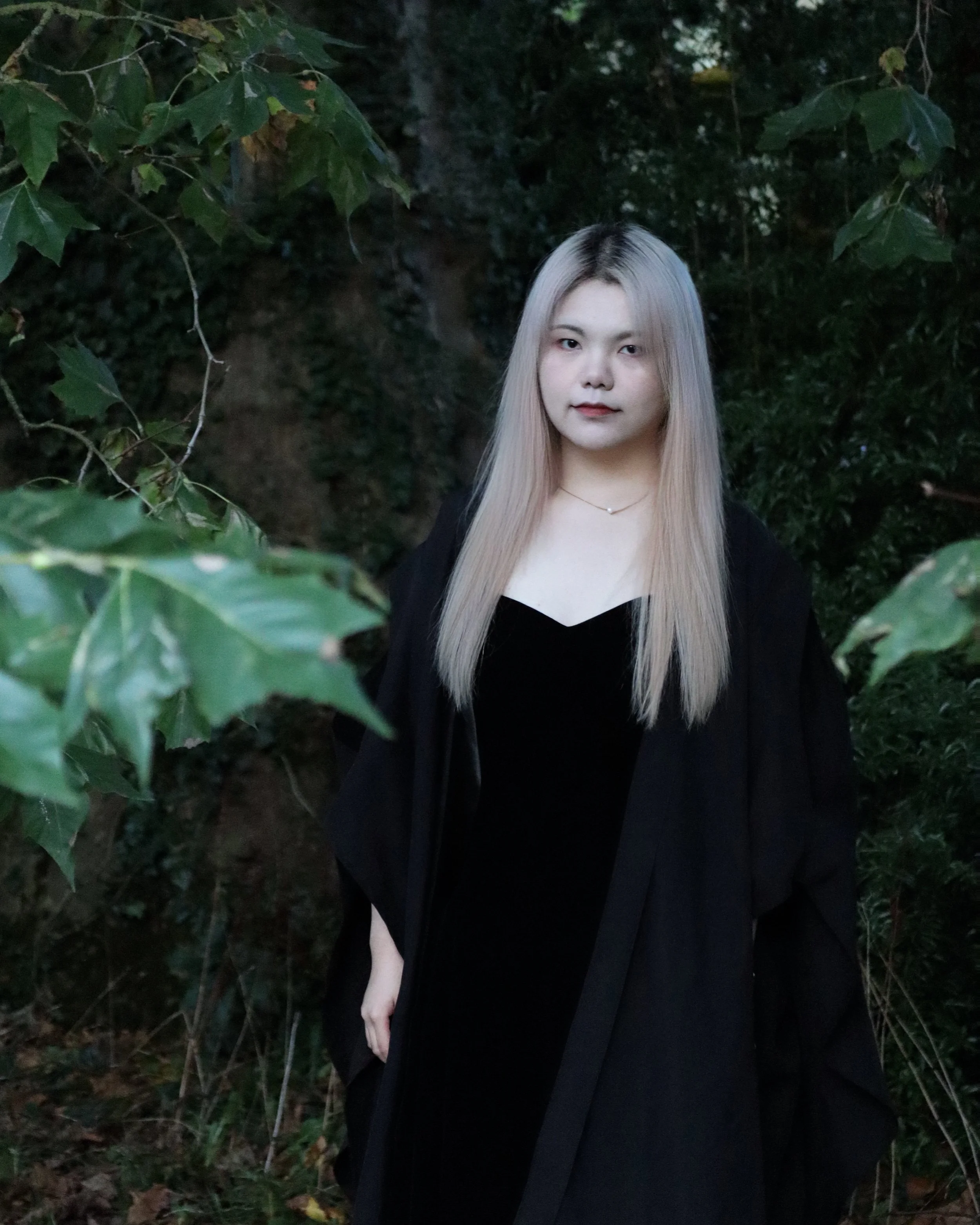
Ye He (b. 1998) is a Chinese artist based in the UK. She is pursuing her MPhil in Film and Screen Studies at the University of Cambridge and holds a Bachelor of Arts degree in Fine Art & History of Art from Goldsmiths, University of London. She has also studied Western Esotericism at the University of Amsterdam. Ye’s multifaceted practice spans photography, moving images, animation, and writing, often navigating the realms of psychoanalysis, philosophy, and the occult to explore the margins of the spiritual world. Her work frequently incorporates elements of sci-fi and cybernetics, creating speculative narratives that delve into the complexities of identity and consciousness. She views experimental sites as forms of alchemy—reality-altering technologies that transcend material ontology and reveal deeper symbolic meanings. Ye’s interdisciplinary art projects have been exhibited in various spaces, including Tate Modern, Tate Lates of Tate Britain, UFO Terminal of Art West Bund Shanghai, London Photobook Cafe, AMP Gallery, Art Hub London, Lishui Photography Festival and Wuhan Photo Fair.
Artist Statement
My artistic language has been shaped, to a great extent, by my experience studying Fine Art and History of Art at Goldsmiths, University of London. Goldsmiths offered me a particular kind of field — one in which I could think through experiences that are often rejected by dominant systems of knowledge. Much of the time, I found myself drifting through philosophy, dreams, and witchcraft. Deleuze understands schizophrenia as a nomadic mode of liberated thought, while dreams can be seen as the body’s semi-automatic resistance against external discipline. I enjoy allowing chance to become part of the narrative during the process of thinking, and searching for inspiration within the fissures of rupture.
Artist Story
Around 2020, I became fascinated by phenomenology. My earliest research began with a series of unusual experiences. I started to imagine time and space as separate bubbles, each centered around the perception of “I” The light, smell, and texture of the present moment form a complete bubble. When a person experiences something beyond ordinary bodily function — such as a near-death experience, the splitting of the body in dreams, or the reorganization of the senses under a hallucinatory state — they may slip into a different bubble.
This led me toward mysticism. I came to understand it as a method of perception and thought. Later, I took courses in mysticism at the University of Amsterdam, where I encountered the symbolic systems of alchemy, the imagery of tarot, and medieval herbal hallucinatory practices. I have a tarot deck specifically for divining my works. The images on the cards are highly abstract, and the booklet that explains them reads like a fragmented novel.
Whenever my inspiration comes to a halt, I draw a card to set my thoughts in motion again. When you gaze at the image on the card and allow it to collide with your present consciousness, a connection you could not have foreseen begins to emerge from that gap.
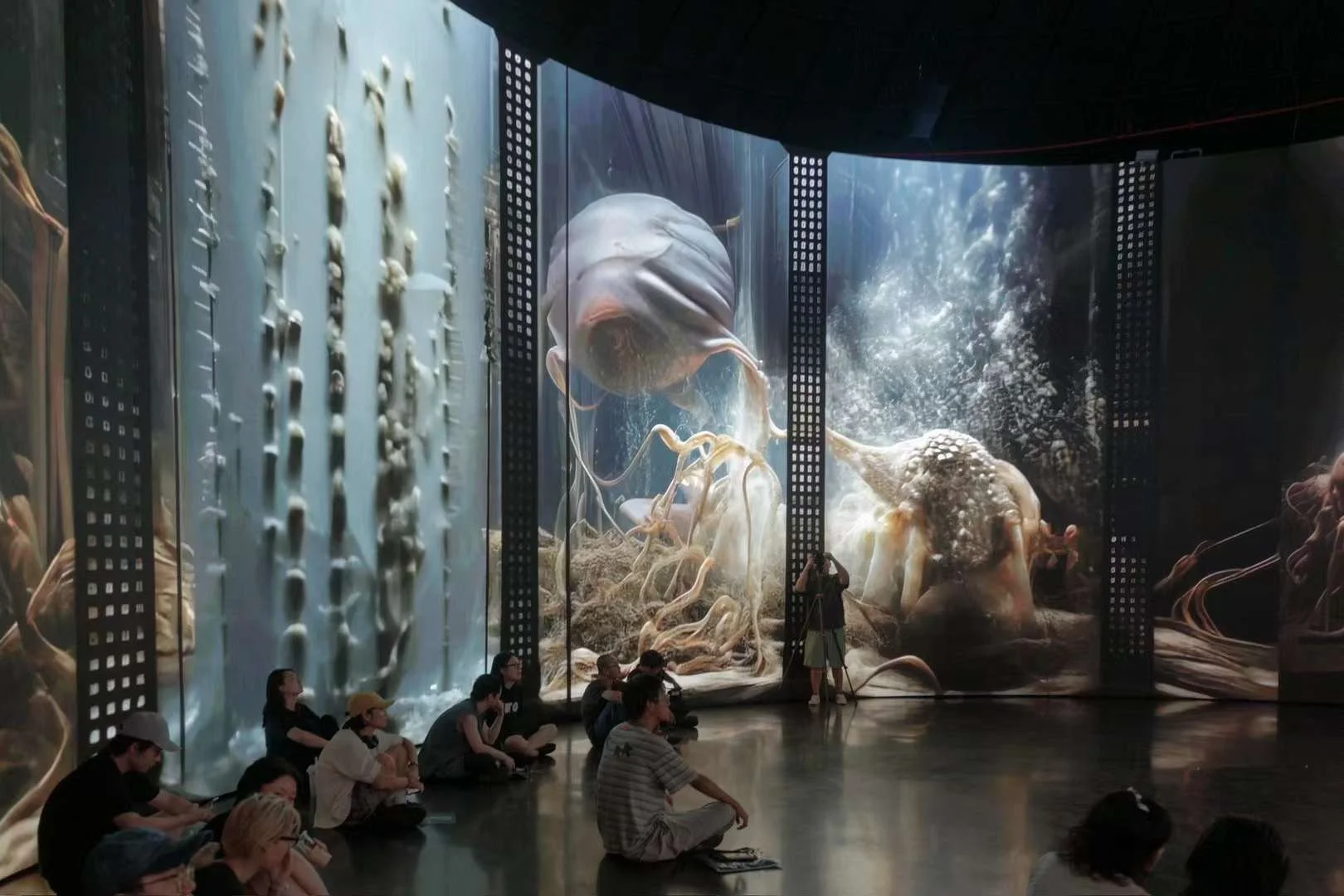
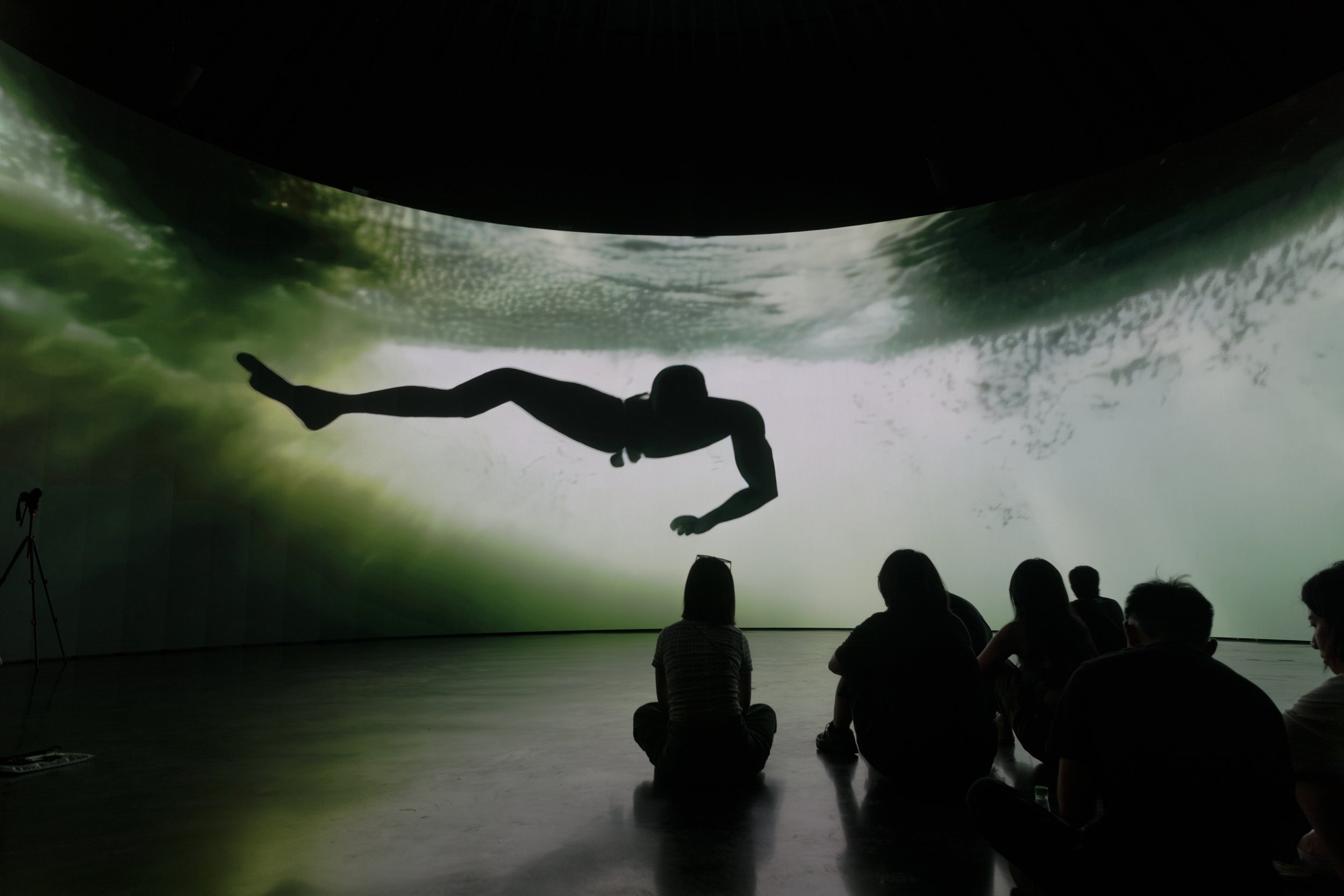
When I was researching film in Cambridge, I realized that the screen was the liminal space I had always been searching for. It belongs neither entirely to reality nor entirely to the virtual; rather, it is a breathing membrane between the two. In ancient times, people would gaze into fire and enter a state of meditation, slipping into the fissure between wakefulness and trance. Gradually, I began to understand the screen as a psychic field, a space of spiritual transmission.
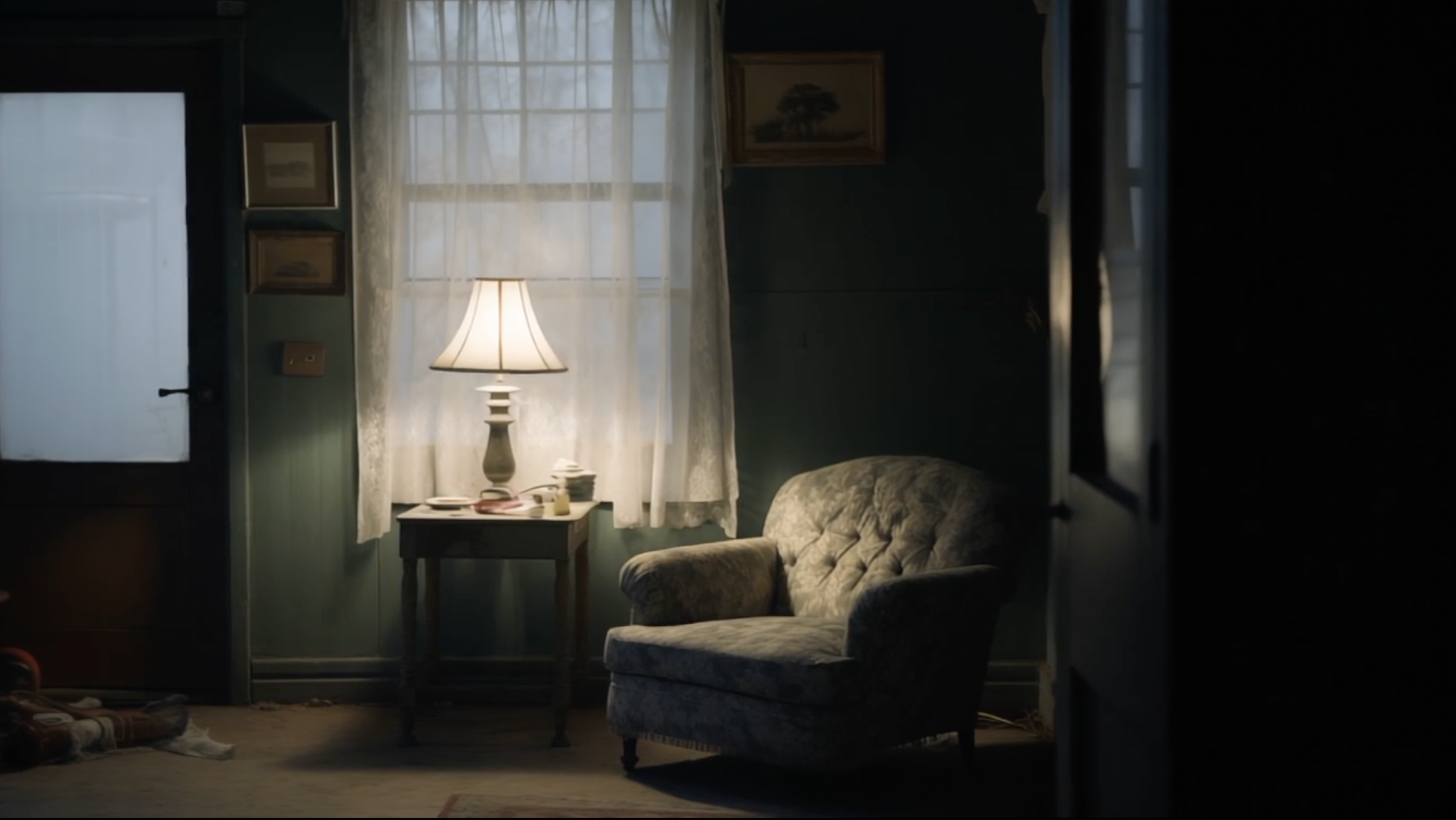
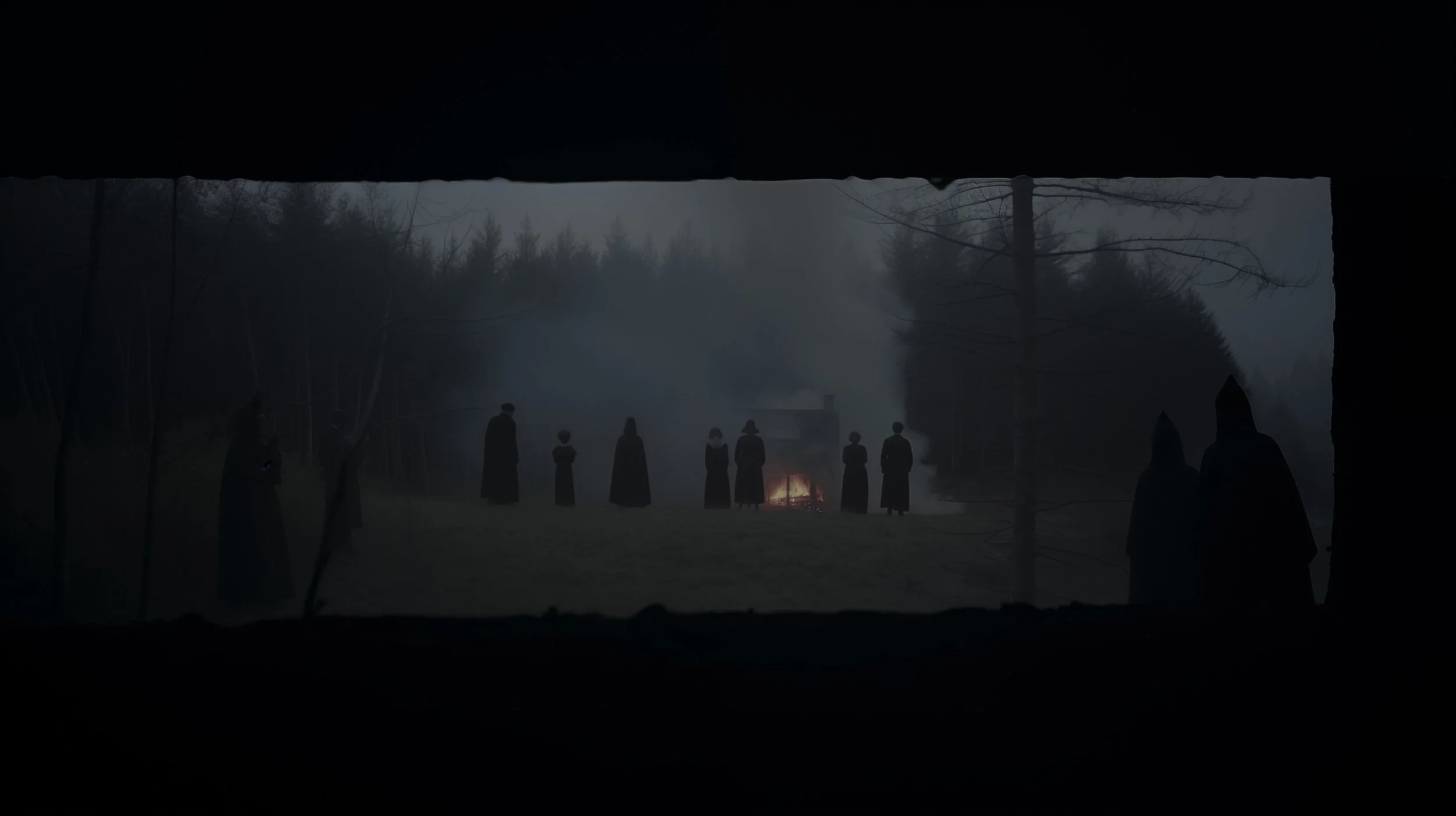
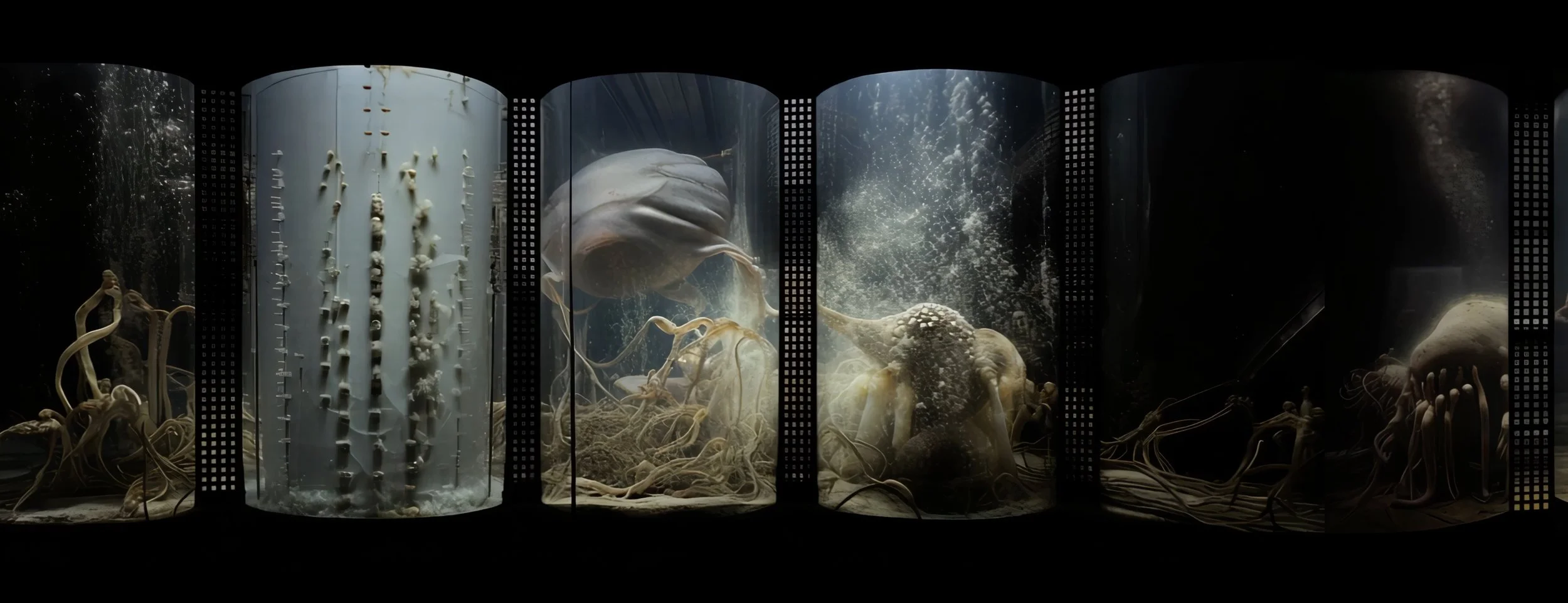
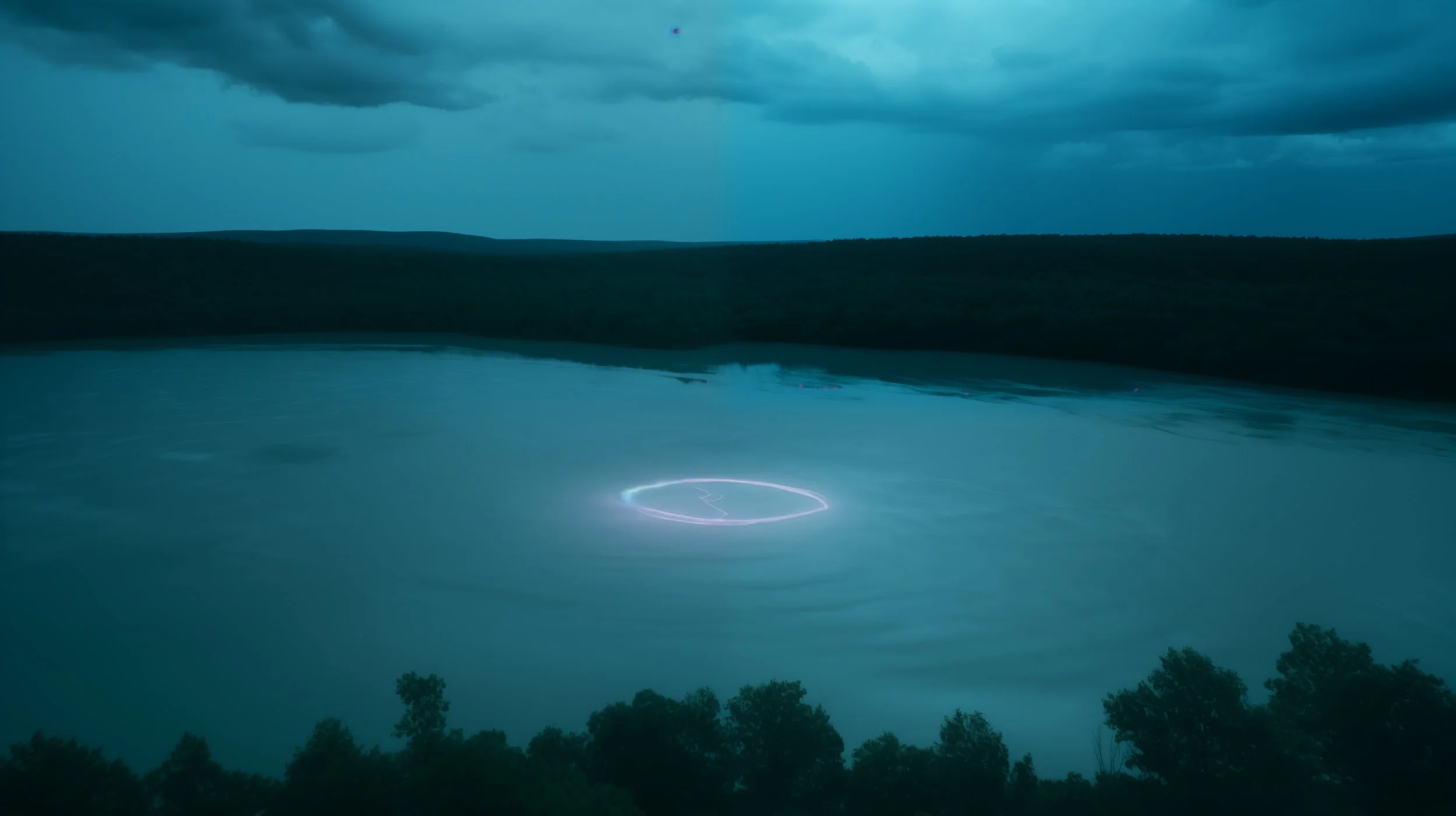
The generative syntax of AI carries within it a certain dreamlike drift. You give it a prompt, and what it returns is never exactly what you expected. I began to treat AI as a co-conspirator. I offer it symbolic seeds: the reversed Death card in tarot, Agamben’s nymph, a ghost signal on a midnight screen. AI then drags them into a generative process that I can never fully control. Within that process, blocked energies, temporal dislocations, the body’s self-fracturing, and the spiral return of memory begin to appear, frame by frame, from the black box of the algorithm.
I have always existed in a state of floating. From China to London, from London to Cambridge, and from Cambridge back to Shanghai, my life has remained in motion. Perhaps it is as Lacan describes: the object of desire must always remain unreachable. It is as if one is forever on the way to a distant destination. This instability has shaped my work. My practice is drawn to the creation of a field—an alchemical, ritualistic space. Viewers enter with their own conscious or unconscious states, encountering, entangling with, and reweaving them through the screen-based image. Like facing a tarot card alone, no one can give you the answer. Meaning can only gradually emerge from the collision between your own consciousness and the symbol.