Zengyuan Ma 马增媛
Visual Artist
Artist Bio
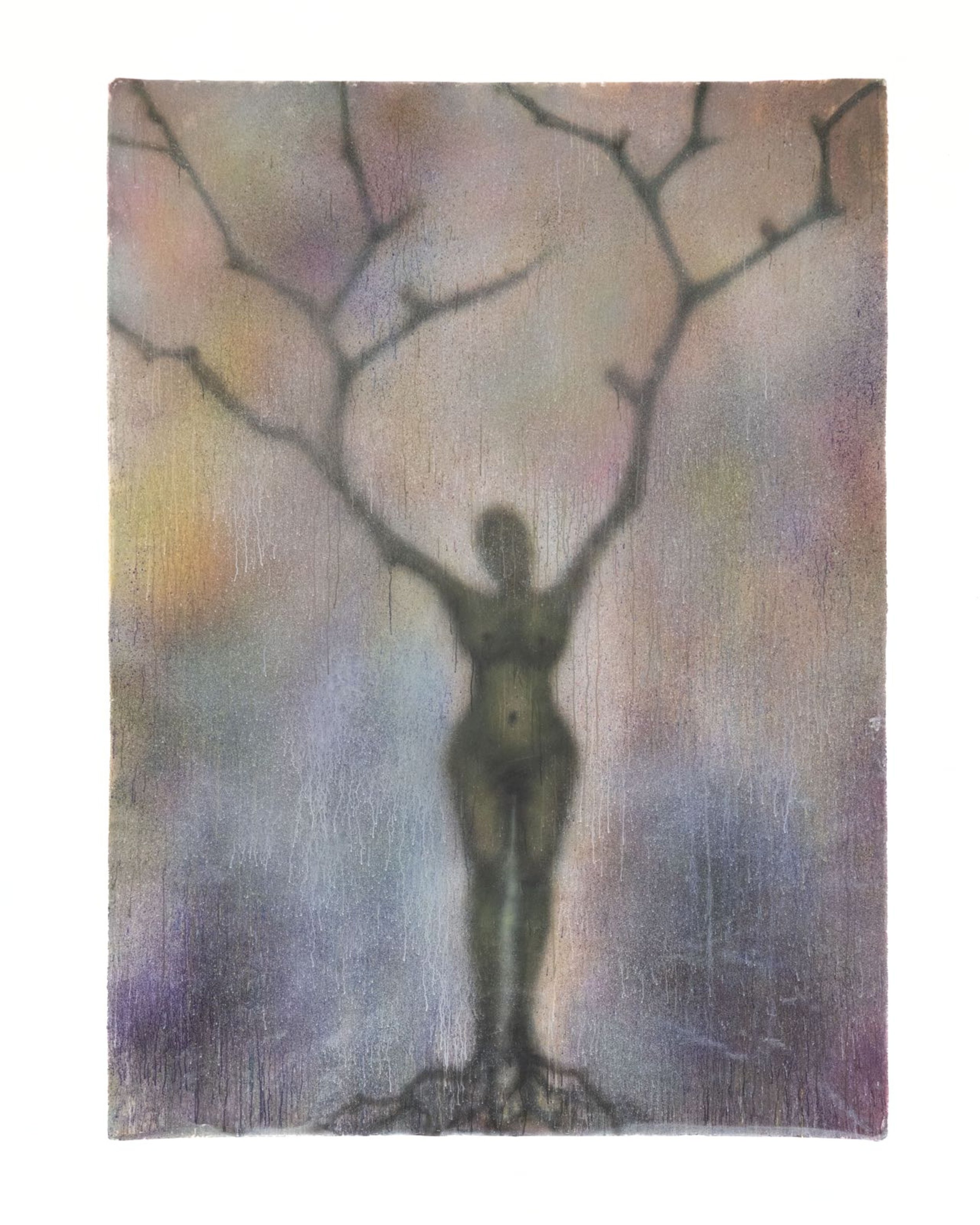
Zengyuan Ma (b. 2000, China) is a visual artist who lives and works in New York City. Her practice spans installation, painting, and drawing, exploring the interweaving of body, memory, and power, moving between intimacy and violence, confession and confrontation. She examines how female experience is shaped by East Asian cultural expectations, social discipline, and familial memory, reflecting on the delicate boundary between liberation and constraint. Across mediums, her practice generates visceral tensions that invite viewers to experience both beauty and pain, reclaiming the body as a site of resistance and self-determination. She received her BA in Fine Art from Goldsmiths, University of London, and is currently an MFA candidate at the School of Visual Arts, New York (expected May 2026).
Artist statement
My work centers on the female body, viewing it as a contested site where familial memory, cultural symbolism, and political power intersect. I am drawn to the tension between beauty and pain; intimacy and violence; liberation and constraint— all the contradictions that shape women’s bodily and psychological experiences in East Asia.
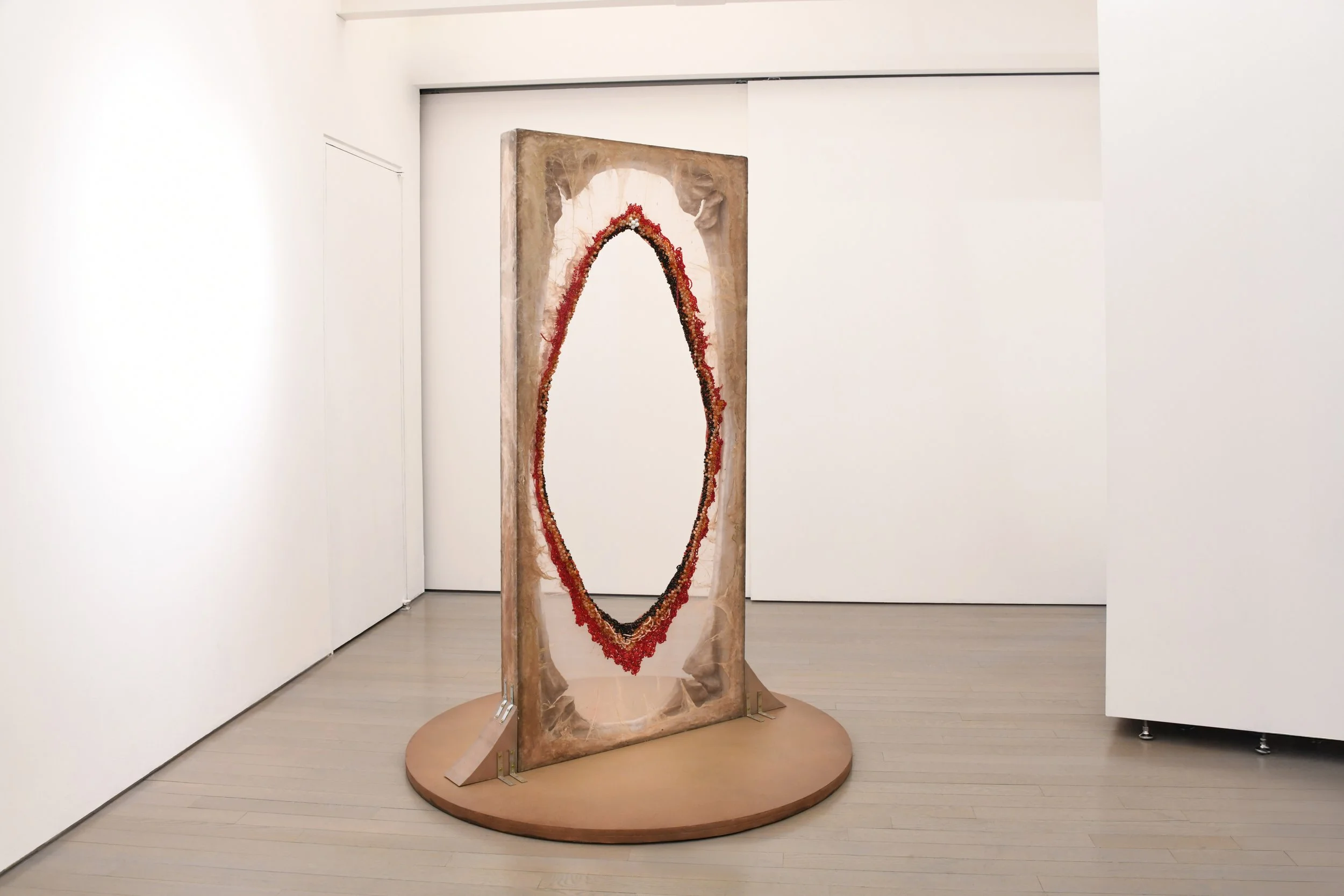
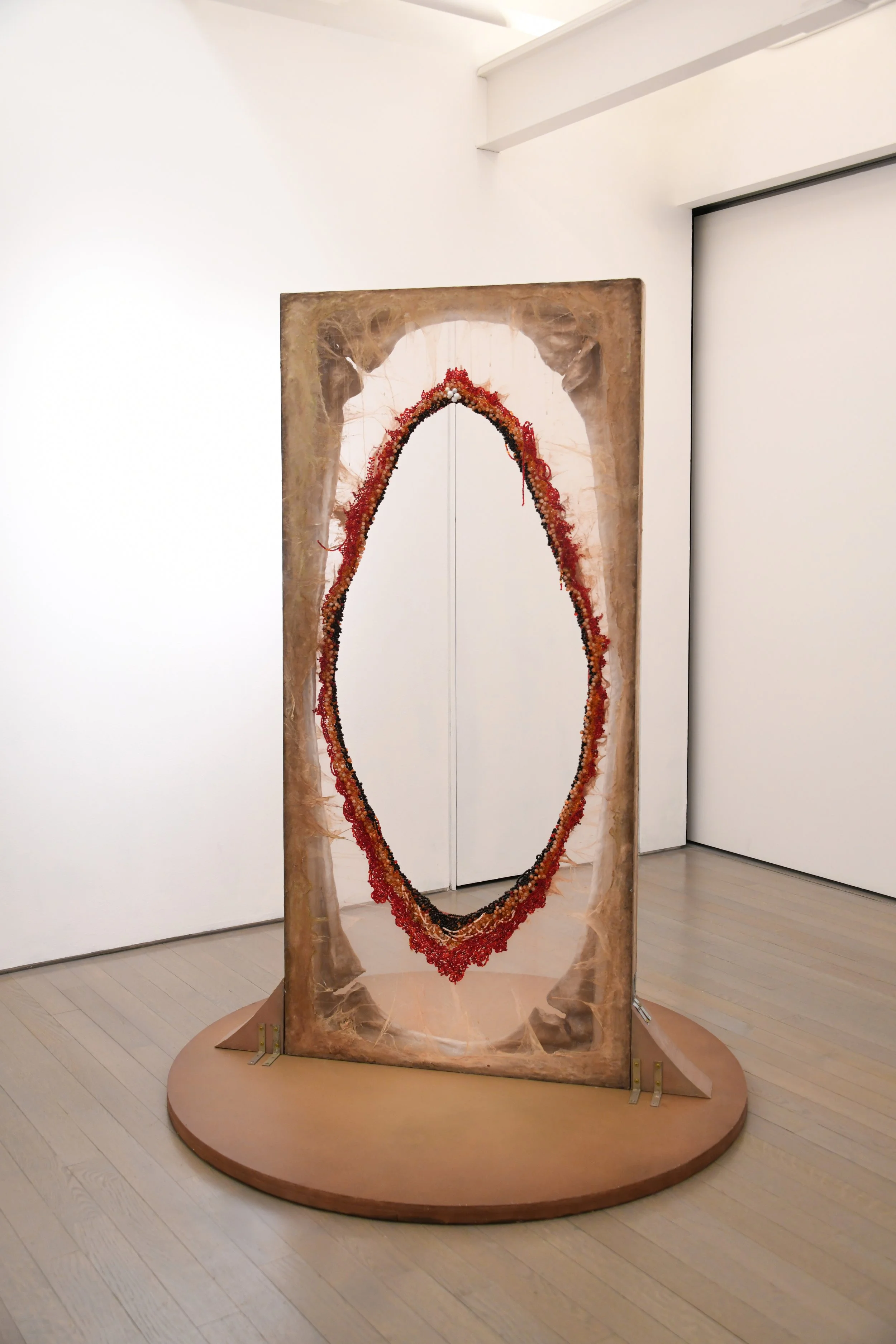
My creative process often involves juxtaposing materials of contrasting qualities—soft and hard, fragile and aggressive—to construct a sensory field charged with unease. The interaction between silk, nylon, and metal echoes the paradoxes imposed upon the female body: it is expected to be gentle yet to endure pain, idealized as a place of purity yet functionalized as a vessel for reproduction. Through the friction between these materials, I translate invisible social pressures into tangible presence, allowing the audience to feel rather than merely see the weight of discipline.
These works arise from my lived experience and the women around me. I aim to transform private pain into public space and give resonance to silence. Within these fragile yet unyielding environments, viewers are compelled to confront a question that remains urgent: After the body has been disciplined by systems of power, how can it reclaim dignity, autonomy, and resistance?